And when it comes to wine, the wide world of red and white encompasses vastly different experiences, flavors and ideal companions. The right time to pick red versus white wine can really make a difference in trying or enjoying your meal. Following is a primer on the attributes of red and white wines, along with recommendations on what to drink and when:
Characteristics of Red Wine
Production and Flavor Profile
Red wine is made from red (or black) grapes, but the skins and seeds are used in fermentation to add color and tannin to the juice. Popular types include Cabernet Sauvignon, Merlot, Pinot Noir and Syrah.
Flavors in red wines usually tastes like cherry, plum and blackberry, spice, leather or wood. The tannins provide a drying effect and confer complexity to the wine.
When to Drink Red Wine
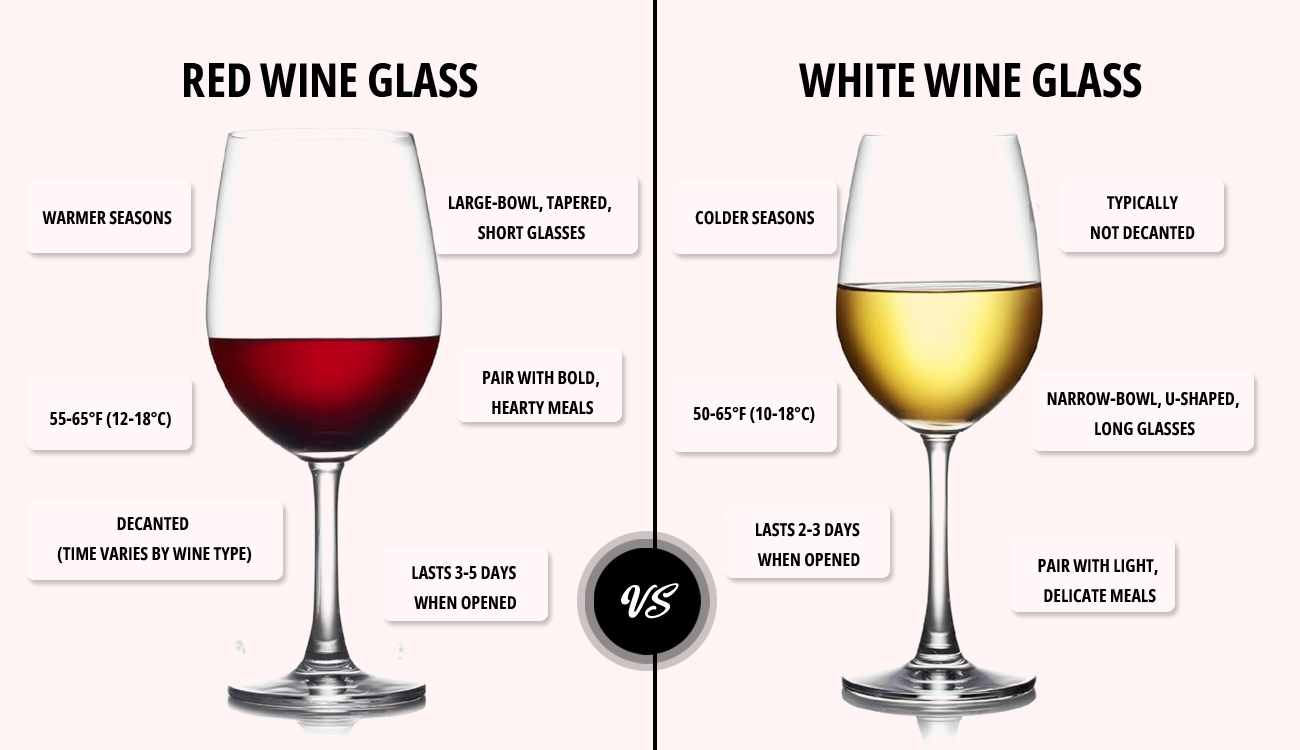
Red wine is usually a cooler-weather, search engine strategyby icy-weather tipple; and one associated with rich hearty foods. Red wine’s thick body goes well with red meats, lamb, and rich sauces. The protein also reacts with the tannin in the wine – this binding of tannin and protein are what changes both the flavors of the dish plus the wine.
Occasions for Red Wine:
Evening Meals/Dinner Parties: Red wine is perfect for dinner and evening parties (especially in the winter).
Steak Dishes: A traditional choice with a great steak, especially such as ribeye which go well with full bodied reds.
Cheese Plates: Strong, aged cheeses such as cheddar and gouda are delicious alongside a red wine because they provide opposite tastes that become balanced.
Wintertime relaxation: Red wine is a rich and cozy beverage to enjoy around the fireplace.
Characteristics of White Wine
Production and Flavor Profile
White wine is a variety of wine whose color can be straw-yellow, yellow-green, or yellow-gold. It is produced by the alcoholic fermentation of the non-colored pulp of grapes which may have a skin of any colour; white wine has existed for at least 2500 years.White wine is mainly from “white” grapes, which are green or yellow in colour, such as the Chardonnay, Sauvignon, and Riesling. Varietals; Chardonnay, Sauvignon Blanc, Riesling and Pinot Grigio are favorites.
White wines tend to be more acidic and offer tastes such as apple, pear, citrus and tropical fruit along with suggestions of floral elements or minerals. Some white wines, such as Chardonnay, also can be buttery or oaky.
When to Drink White Wine
White wine is the go ahead for warmer weather and lighter recipes. The racy acidity pairs well with fish, poultry and vegetarian dishes. It’s also perfect for aperitifs and more moderate celebrations.
Occasions for White Wine:
Summer Soirees: The crisp, refreshing flavor of white wine makes it perfect for parties and picnics.
FISH: White wine works great with rice and fish, shrimp or shellfish, in which acid contrasts favorably with the addition of these foods.
Lighter Pastas & Salads: The lighter body and acidularity work well with salads as far as pastas in citrus or creamy based sauces.
Brunch Parties: From white wines to sparkling wines, add a touch of class to brunch sauce-omelets in the morning or quiches in the early afternoon.
Selecting according to mood or setting
Consider the Atmosphere
Formal Events: Both red and white work for elegant affairs, but pick based on the menu and season. Red wine contributes tradition and weight; white wine provides finesse and grace.
Informal Receptions: In relaxed settings, pair the wine with the type of gathering. For more casual barbecues, a crisp white or rosé might be preferred and for cosy evenings a supple red.
Think About the Season
Warm Temperature (Spring/Summer): Chilled light whites or a rosé that is refreshing.
Cool Weather (Fall/Winter): Liven up with bright reds that are warming enough to beat the cold.
Conclusion
It is a matter of personal preference, the season or type of meal when it comes to whether red wine or white wine should be served. Classics like cheese and wine pairings can be helpful but the most important thing to consider is what tastes good to you with your food in that time and place. Discovering and getting to grips with the variety available in each type, will enable you to enjoy a greater range of wines in a more educated fashion. So here’s to finding the perfect wine for every scenario!